
The demand for diagnostic imaging in the NHS is increasing. With an ageing population, rising rates of chronic disease, and evolving healthcare needs, imaging services are more essential than ever. However, capacity constraints—driven by workforce shortages, increased demand, wear and tear on equipment, and inefficient facility management—have led to longer patient waiting times and backlogs.
NHS Trusts must look at ways to improve efficiency, maximise existing resources, and explore flexible approaches to staffing and service delivery. Maximising imaging capacity doesn’t always mean purchasing new equipment; instead, strategic improvements in service delivery, workforce planning, equipment utilisation, and patient pathways can help radiology departments meet demand while maintaining high-quality care.
Diagnostic imaging is at the heart of patient care, from cancer diagnosis to emergency treatment. Demand for imaging services has increased significantly, but radiology departments often struggle to keep up. Without effective strategies to manage demand, patient waiting times will continue to rise.
One of the biggest challenges for radiology services is a shortage of trained imaging professionals. Recruiting and retaining skilled radiographers, sonographers, and reporting radiologists is difficult and impacts NHS Trusts’ ability to meet imaging targets. Without enough staff, services can’t operate at full capacity, delaying scans and reports.
While the NHS has invested in new imaging equipment, it is not always used to its full capacity. Many radiology departments only operate within standard working hours, which limits the number of patients that can be scanned each day. In addition, some scanners are underutilised due to poor scheduling, lack of resources, or inefficient strategies. As such, equipment usage should be assessed through comprehensive audits to identify underused machines and redistribute workloads more effectively.
Minimising equipment downtime is essential to maintaining efficiency. Scheduled maintenance, software updates, and proactive component replacements can reduce failure risks. Smart maintenance strategies can help staff identify early warning signs, ensuring imaging systems operate in optimal condition with minimal service interruption.
Some NHS Trusts offer evening and weekend imaging sessions to increase capacity and improve patient access. Extending service hours—whether in-house or through external partnerships—can help meet demand more effectively and reduce waiting lists. This also allows for better prioritisation of emergency cases without sacrificing routine imaging needs.
Radiology workforce shortages mean many trusts cannot meet imaging targets. Adopting a flexible staffing model—including shift scheduling, staff reallocation, external imaging personnel, or locum support—can maintain capacity during peak periods, staff absences, or recruitment gaps. This approach enables departments to operate for extended hours without overwhelming current staff.
How patients are referred for scans can significantly impact radiology efficiency. Optimised scheduling, improved triage systems, and faster reporting ensure patients receive timely imaging and results, easing pressure on other healthcare services.
Instead of relying solely on the acquisition of new machines, NHS radiology departments can significantly improve performance by optimising current equipment. Measures such as workflow enhancement, better equipment management, digital technologies, and additional staff training can increase output, improve diagnostic accuracy, and reduce costs.
By identifying underused scanners, reallocating workloads, and ensuring high-load machines are not overburdened, departments can enhance efficiency without major infrastructure investments.
Routine maintenance schedules, timely repairs, and system upgrades can prevent unexpected equipment failures. A proactive approach to maintenance helps extend equipment lifespan and keeps services running efficiently, supporting greater imaging throughput.
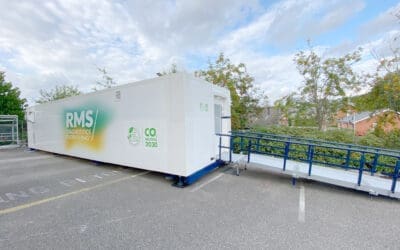
Mobile and modular imaging services are a flexible solution for trusts with physical space constraints or urgent capacity needs. These temporary units can be rapidly deployed and are ideal for tackling backlogs or supporting community healthcare delivery. By avoiding permanent infrastructure changes, they offer a cost-effective and scalable solution.
RMS plays a crucial role in supporting NHS Trusts through:
Flexible staffing support – Providing radiographers and imaging specialists to maintain service delivery and support extended operating hours.
Mobile MRI and CT services – Increasing imaging capacity with fully equipped, temporary scanning units that can be deployed rapidly.
Specialist ultrasound services – Supporting musculoskeletal, vascular, and other specialist scanning requirements.
Extended service provision – Assisting NHS Trusts in offering evening and weekend imaging to reduce waiting times and manage demand.
Community Diagnostic Centre support – Helping trusts establish and manage CDCs to improve local access to diagnostic services.
Workforce training and planning – Supporting sustainable radiology service development through training and strategic staffing models.
Equipment optimisation – Identifying underutilised equipment, implementing effective maintenance, and upgrading systems to extend service life and reliability.
Maximising imaging capacity in the NHS requires a combination of workforce planning, service delivery optimisation, and strategic resource management. Through flexible solutions like extended hours, mobile imaging units, equipment audits, maintenance strategies, and external staffing support, NHS radiology departments can significantly improve efficiency and maintain high-quality patient care.
A collaboration with RMS helps NHS Trusts overcome capacity challenges, reduce diagnostic backlogs, and improve patient access to timely imaging. These efforts ultimately enhance care quality, increase patient satisfaction, and strengthen the resilience of the healthcare system.