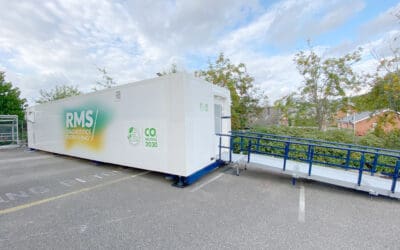

The demand for diagnostic imaging equipment in the NHS continues to rise, whilst at the same time, budgets are under unprecedented pressure. In order to meet urgent capacity requirements and alleviate waiting lists, Trusts are increasingly using leased or portable MRI and CT scanners.
Whilst rental options may be attractive in terms of flexibility in the short term, it does not lend itself to long-term sustainable business strategies. Not only does it mean continued revenue costs without any build towards eventual ownership, but you have no control over upgrade cycles and long-term reliance on third-party resources does not always represent value for money.
By transitioning smoothly from flexible rental to full asset ownership, Trusts can manage their budgets more effectively while meeting rigorous Care Quality Commission (CQC) standards.
Rent-to-own serves as the ideal bridge between short-term leasing flexibility and the long-term advantages of ownership. This model allows NHS Trusts to deploy MRI and CT scanners quickly, without waiting for a full capital purchase.
The difference is that, over an agreed term, rental payments count towards owning the equipment, so spend that would otherwise end with the contract builds towards an asset. How this is treated in your Trust’s accounts depends on the agreement, so it’s worth involving your finance team early.
Moving from renting to owning delivers tangible benefits that extend far beyond simply covering monthly hire costs. Payments build towards a Trust asset. This approach allows your radiology department to:
Ultimately, it allows you to shape your imaging strategy around evolving clinical demands, rather than the constraints of a restrictive rental contract.
Whether a scanner is leased or purchased, NHS Trusts are fully accountable for meeting CQC regulatory standards. A rent-to-own scheme should simplify compliance, not complicate it.
As part of a well-thought-out rent to own contract, servicing and maintenance of the equipment are comprehensive and carried out during both the rental and ownership periods. This supports patient safety, operational continuity and regulatory confidence.
While they may be housed within modular suites, mobile suites, or permanent buildings within a Trust, one key factor is that they must adhere to strict regulations on radiation protection, health and safety, as well as accessibility, which is where a trusted partner comes in, taking full responsibility for such essential aspects of the facility, making them CQC-ready.
Strong governance and clear accountability are the backbone of any CQC assessment. Rent-to-own agreements offer transparent contracts that remain consistent as you transition to ownership. This allows your Trust to retain full control and easily evidence compliance every step of the way.
To achieve genuine results, your Trust needs more than just a hardware supplier, they need to partner with an organisation that thoroughly understands the unique challenges of the NHS and priorities of the CQC.
RMS takes a flexible approach to financing new scanning kit. We work closely with clinical, estates, finance, and governance teams from the outset to ensure a smooth transition. Our fully managed, end-to-end solutions support your Trust from initial deployment through to long-term ownership.
Rental scanners will undoubtedly continue to play an integral part in helping meet the NHS’s immediate diagnostic requirements. Yet by embracing a rent to own solution, Trusts can look beyond a model of short-term dependency.
This model of flexible governance creates value and provides your imaging department with a level of autonomy over its infrastructure.
Want to discuss whether rent to own could work for your Trust? Talk to our team today to discuss a fully bespoke solution to meet your Trust’s exact requirements.