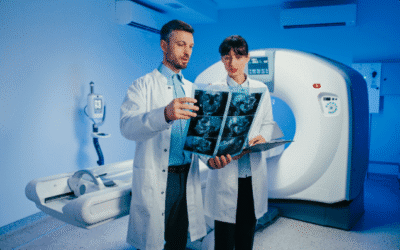


Cardiac and vascular conditions remain among the most time-critical in medicine. For patients awaiting a diagnosis, every day matters. Yet across the NHS, diagnostic imaging capacity continues to be one of the most significant bottlenecks slowing down these pathways, delaying treatment decisions, increasing clinical risk, and placing further pressure on already stretched teams.
At RMS, we work with NHS Trusts across the UK to address exactly this kind of challenge. Through flexible, scalable imaging solutions, we help Trusts increase their capacity for MRI and CT scanning without the delays, costs, or infrastructure demands associated with permanent estate expansion. For cardiac and vascular pathways in particular, this approach can make a meaningful difference, both to patient outcomes and to operational performance.
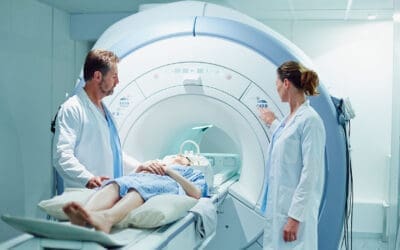
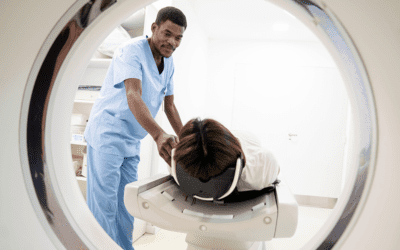
Cardiac MRI and CT are central to the diagnosis and management of a wide range of conditions, from coronary artery disease and heart failure to aortic aneurysms and peripheral arterial disease. These are not investigations that can easily be deferred. A delayed scan can mean a delayed diagnosis, a missed window for intervention, or, in the most serious cases, an avoidable deterioration in a patient’s condition.
Despite this clinical urgency, many Trusts are running imaging departments at or beyond capacity. Waiting times for cardiac MRI, CT coronary angiography, and vascular imaging studies have grown considerably in recent years, compounded by the legacy of the pandemic and ongoing workforce pressures. When scanner time is scarce, cardiac and vascular cases must compete with a wide range of other referral types, and patients can find themselves waiting far longer than clinical guidelines recommend.
The challenge, then, is not just one of clinical priority. It is a capacity problem. And capacity problems require practical, deployable solutions.
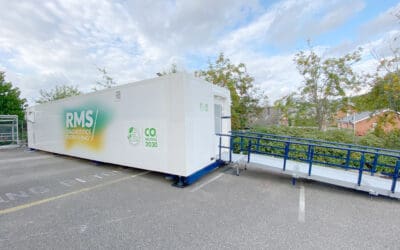
Bringing in additional scanning capacity, whether through mobile MRI or CT units, modular installations, or extended in-house sessions, allows Trusts to create dedicated capacity for cardiac and vascular imaging without disrupting existing workflows.
This matters for several reasons.
Dedicated scanner time improves throughput. When cardiac and vascular protocols are grouped together on a dedicated list, radiographers and cardiology teams can work more efficiently. Set-up time is reduced, reporting workflows are streamlined, and the overall number of patients scanned per session increases. This is particularly relevant for cardiac MRI, which tends to involve longer, more complex protocols than many routine studies.
Flexibility allows Trusts to respond quickly. Waiting list pressures rarely build at a predictable rate. A spike in referrals, a period of equipment downtime, or a seasonal increase in presentations can rapidly overwhelm existing capacity. Mobile and modular scanning solutions can be deployed at short notice, providing a fast, targeted response to these surges without requiring long-term capital commitment.
Extended hours unlock under-utilised time. Many NHS scanners operate primarily during standard working hours, leaving significant potential scanning time unused in evenings and at weekends. With the right staffing and equipment solutions in place, this time can be activated to deliver additional cardiac and vascular lists, directly reducing waiting times without the need for additional permanent infrastructure.
Equipment alone does not solve a capacity problem. The availability of skilled radiographers, particularly those experienced in cardiac MRI protocols, is just as critical as having the scanner time itself.
Cardiac MRI is technically demanding. It requires specialist knowledge of gating techniques, myocardial perfusion sequences, and the particular challenges that arise when imaging patients with cardiac devices or arrhythmias. Not all general radiographers will have this experience, which means that simply adding scanner sessions is not always sufficient without also ensuring the right clinical expertise is present.
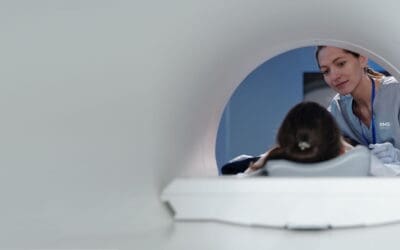
At RMS, our staffing solutions are designed with this in mind. We provide experienced radiographers and clinical support staff who are matched to the specific requirements of each Trust and each clinical pathway. For Trusts looking to expand their cardiac or vascular imaging capacity, this means access to staff who understand the technical and clinical demands of these specialisms, and who can integrate quickly and effectively into existing department workflows.
One of the concerns Trusts often raise when exploring additional imaging capacity is the complexity of procurement and deployment. How quickly can a solution be put in place? How does it fit within existing contracts and frameworks? What are the implications for estates, information governance, and clinical governance?
These are legitimate questions, and they are ones we work through carefully with every Trust we support. RMS solutions are designed to be as straightforward as possible to implement. Our mobile and modular units are self-contained, meaning they require minimal estate modification. Our staffing solutions operate within NHS governance structures, with appropriate clinical oversight in place. And our experience working with Trusts across England and Wales means we understand the operational and contractual landscape that NHS teams navigate every day.
The goal is always to remove barriers, not create new ones. Additional imaging capacity should be something a Trust can access quickly, deploy flexibly, and scale up or down as demand changes.
It is worth stepping back to consider what faster access to imaging actually means for patients on cardiac and vascular pathways. A shorter wait for a cardiac MRI does not just mean a more comfortable experience. It can mean earlier confirmation of a diagnosis, faster initiation of medical management, more timely referral for intervention, and, in cases where a serious condition is identified, the difference between a planned procedure and an emergency one.
From a system perspective, the benefits extend further still. Earlier diagnosis tends to reduce the downstream demand on acute services. Patients who receive timely imaging and treatment are less likely to present as emergencies, less likely to require extended inpatient stays, and less likely to experience the kind of deterioration that generates significant additional cost and clinical workload.
Investing in imaging capacity for cardiac and vascular pathways is, in this sense, not simply a scanning capacity decision. It is a broader clinical and operational investment, one that can yield returns across multiple parts of the patient pathway.
If your Trust is facing growing demand on cardiac or vascular imaging pathways, or if you are looking to reduce waiting times, unlock unused scanner capacity, or support your imaging team during a period of particular pressure, we would welcome the opportunity to discuss how RMS can help.
Our team works with NHS Trusts to develop solutions that are practical, cost-effective, and tailored to the specific needs of each department. From rapid deployment of mobile MRI and CT to longer-term staffing and hardware partnerships, we offer the flexibility to respond to your Trust’s exact requirements.
Get in touch with the RMS team to explore what additional imaging capacity could mean for your cardiac and vascular pathways.